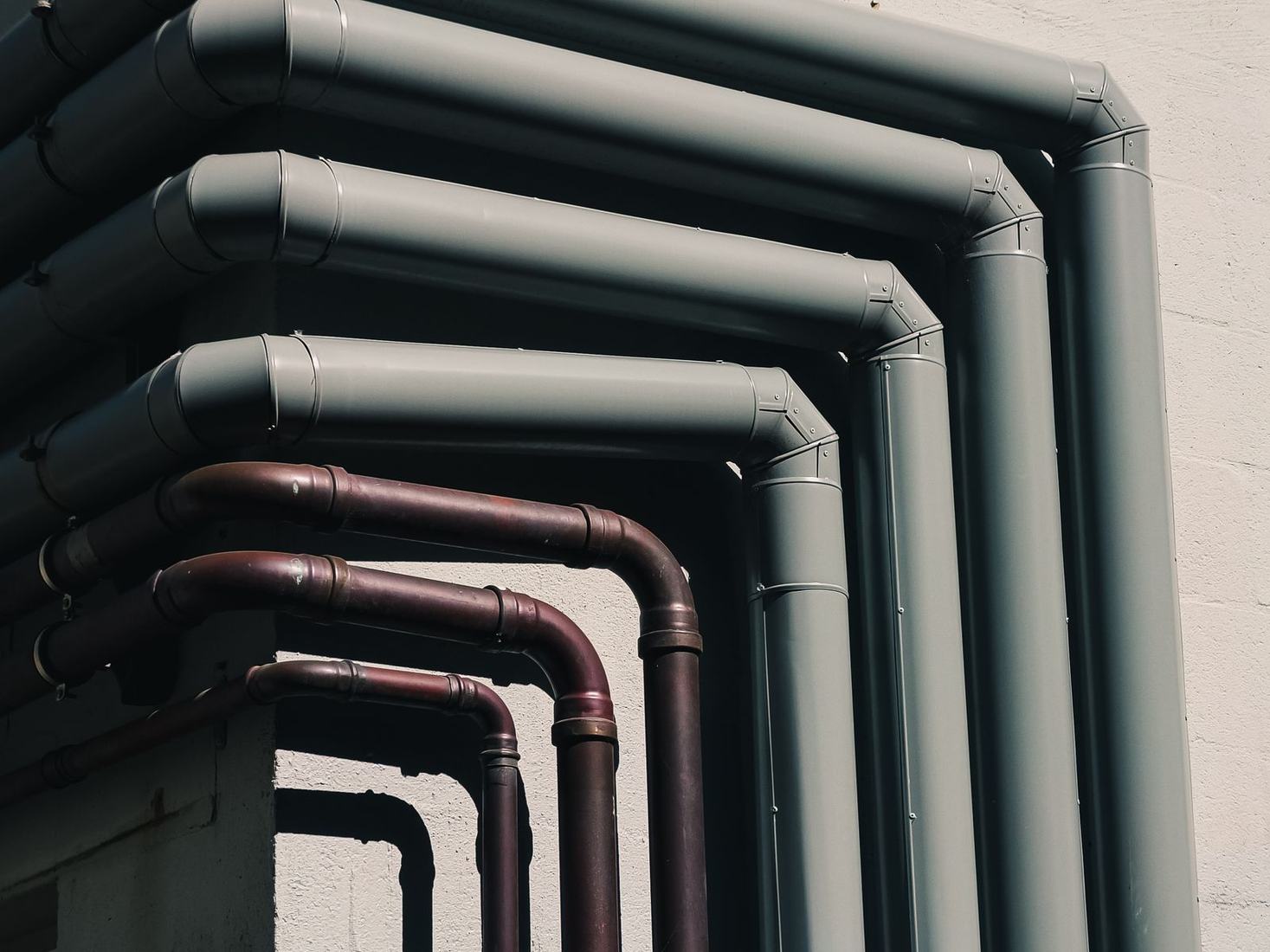
Why do pipes break so much in Las Vegas?
Las Vegas pipes break because Lake Mead water is extremely hard — mineral scale corrodes copper and galvanized lines from the inside — and because 75-degree daily temperature swings expand and contract the joints until they fatigue and split. Most failures happen at fittings, not mid-pipe.
Why homeowners call us first
Lake Mead water is hard water
Nearly all of the valley's drinking water comes from Lake Mead, and it arrives loaded with dissolved calcium and magnesium. That mineral load is what scales your kettle — and it does the same thing inside your walls.
75-degree daily swings
A summer day can hit 110°F and drop to the 70s or below overnight; attic and wall-cavity temperatures swing harder still. Metal expands and contracts with every cycle, and joints take the strain.
Failures cluster at joints
Soldered elbows, threaded fittings and the transitions between dissimilar metals are where scale collects and where thermal movement concentrates. That is where the break happens.
How to stop a pipe break before it starts
-
Install a whole-house water softener
This is the single highest-leverage fix in this valley. Softening the water attacks the root cause — the mineral load — instead of the symptom, and it extends the life of your water heater and every appliance at the same time.
-
Watch your water pressure
Above about 80 psi, you are stressing every joint in the house continuously. A $15 gauge on a hose bib tells you in thirty seconds, and a pressure-reducing valve fixes it permanently.
-
Flush the water heater annually
Hard water leaves sediment in the tank. That sediment insulates the burner, drives up the temperature at the tank wall, and shortens the life of the unit — and a failed water heater is one of the most common water losses we respond to.
-
Insulate pipes in the attic and garage
Not for freezing — for the temperature swing. Insulation flattens the cycle those joints are riding every single day, which is what fatigues them.
-
Know where your main shutoff is, today
Not while water is spraying. Find it, make sure it actually turns, and make sure everyone in the house knows where it is. Ninety seconds of knowledge saves thousands in drywall.
Frequently asked questions
What kind of pipes fail most often in Las Vegas?
Galvanized steel in the valley's older housing stock is the worst — it corrodes and closes up from the inside until it fails. Early copper is next, particularly at soldered joints where hard-water scale collects. Modern PEX resists scale and handles thermal movement far better, which is why it dominates repipes here.
Does a water softener really prevent pipe breaks?
It addresses the primary cause, so yes — it meaningfully extends the life of the plumbing. It will not undo corrosion that has already happened, and it does nothing about thermal fatigue. Think of it as slowing the clock substantially rather than stopping it.
Why do pipes break at night in Las Vegas?
Because the temperature swing is largest then and nobody is using water. The pipe is cooling and contracting, the system is static and pressurized, and a joint that has been fatiguing for years finally lets go. That is also why so many people wake up to an inch of water — the leak ran unnoticed for hours.
How long do pipes last in Las Vegas?
Shorter than the manufacturer's number, and shorter than in most of the country. Galvanized rarely makes it past 40 to 50 years here and often fails sooner; copper commonly runs 50-plus but joint failures start well before that. The hard water is what compresses the timeline.
What are the warning signs a pipe is about to fail?
Reduced pressure at a single fixture, discoloured or rusty water, a water bill that climbed without a change in habits, ticking or knocking in the walls, or a stain appearing on drywall or ceiling. Any of those is a reason to look now rather than after it bursts.
Should I repipe my house?
If you have galvanized supply lines and you have had more than one leak, repiping is usually cheaper than the sequence of water damage claims that follows. If you have copper and no failures, monitor pressure and soften the water. The tipping point is generally the second break.
Water spreading right now? Don't wait it out.
Mold can start growing in 24 to 48 hours. Every hour of standing water costs you more drywall, more flooring, and more of your insurance claim. Call now — we answer live, day or night.
IICRC certified • We bill your insurer directly